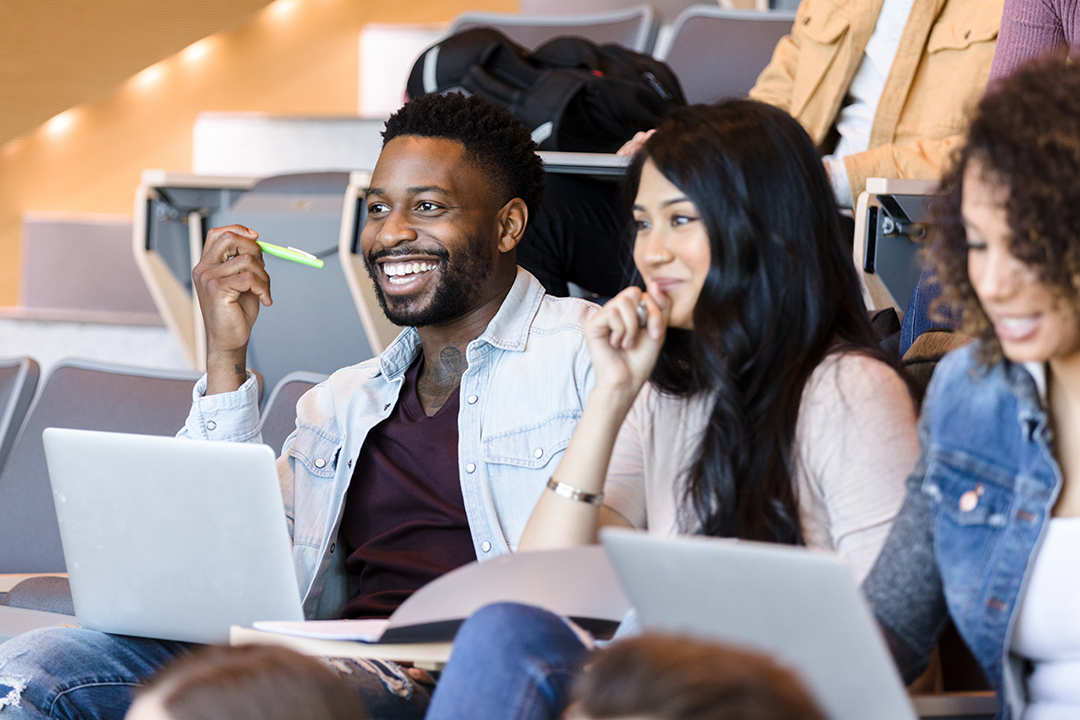
How can teachers create classrooms where every student feels seen, heard, and valued? The answer: culturally responsive teaching, a powerful approach that connects learning to students’ identities, family backgrounds, and personal histories. Culturally responsive teaching fosters student engagement by incorporating and affirming students’ diverse experiences and perspectives.
Many educators recognize the importance of culturally responsive instruction. Even so, implementing it effectively can be challenging. Teachers often struggle due to insufficient training, limited resources, and rigid curriculum structures that do not always allow for flexibility. Additionally, balancing diverse student needs while meeting academic standards can feel overwhelming. However, with the proper training and access to resources, creating a culturally relevant (or sustaining) inclusive classroom is a realistic goal.
This article defines culturally responsive teaching, explores its role in culturally responsive education, and highlights how the NYU Steinhardt Teacher Residency program helps educators confidently implement these practices.
Become an Equity-Minded Teacher at NYU
Schedule an Application Walkthrough With an Advisor Today
What Is Culturally Responsive Teaching?
Culturally responsive teaching involves using students’ backgrounds, experiences, customs, and perspectives as tools to enhance classroom instruction. This theoretical model arose from Gloria Ladson-Billings’ work in the 1990s, which identified three pillars of culturally relevant teaching: academic success, cultural competence, and sociopolitical consciousness.
Culturally responsive teaching encompasses more than merely incorporating diverse books or holidays; it requires aligning both instructional materials and pedagogy with how students learn. It’s about designing lessons and co-constructing classroom dynamics that reflect students’ cultures, values, and voices. For example, teachers can use culturally relevant illustrations alongside cooperative learning structures, invite students to share personal experiences, or incorporate oral storytelling traditions to reshape traditional lecture formats.
The practice can significantly impact students’ academic success, especially those from historically marginalized communities. When students see their cultures, experiences, and perspectives reflected and reinforced in lessons and pedagogy, they feel a stronger sense of belonging and motivation. By building on students’ existing knowledge and experiences, culturally responsive teaching makes new concepts easier to understand and apply.
Why Culturally Relevant Teaching Supports Inclusive Education
Culturally relevant teaching helps create equitable classroom environments where every student feels seen and valued. Incorporating diverse perspectives into learning materials promotes deeper understanding and positive self-perception. Students embrace a more equitable view of others, resulting in a classroom culture founded on mutual respect.
When students feel represented in their learning, they are more likely to engage and participate. This results in a positive learning environment where students enjoy stronger peer relationships and a sense of community.
Core Practices of Culturally Responsive Pedagogy
What does culturally relevant and sustaining teaching look like? Culturally responsive educators adapt the curriculum, language, pedagogy, and classroom culture to reflect the diverse backgrounds of multilingual learners and their families. Key strategies include:
- Creating a welcoming classroom: Culturally responsive educators make sure that all students can find relatable examples and visuals on their classroom walls and in learning materials.
- Using student-led inquiry: Educators can make their classrooms more responsive by adopting a student-led inquiry approach, a learning method in which students take an active role in exploring topics, posing questions, and discovering answers through investigation and critical thinking. Instead of simply receiving information from the teacher, students drive their own learning by researching, experimenting, discussing, and reflecting on the material.
- Building home-school connections: Fostering strong, respectful relationships between educators and families supports student learning and well-being. Inclusive educators recognize the important role family plays in a child’s educational journey and seek to involve caregivers through regular communication, providing resources and support, asking for input, and inviting them to participate in school events.
- Rethinking lessons and curricula: Culturally responsive educators aim to promote diversity and representation in every lesson by considering how the topic at hand may relate to students and connecting it with real-world events and examples.
- Adapting instruction to different learning needs: Inclusive teachers often employ flexible teaching strategies, offer choices in assignments, and provide multiple ways for students to demonstrate their understanding.
- Integrating arts: Arts integration can play a powerful role in creating a culturally responsive classroom by providing diverse opportunities for students to engage, express themselves, and connect with learning in meaningful ways, especially as many art forms transcend language and cultural barriers.
- Developing strategies to support multilingual learners: Multilingual learners bring rich linguistic and cultural assets to the classroom, navigating a new language and culture while simultaneously mastering academic content. Educators can leverage these strengths by using translanguaging practices, allowing students to draw on their full linguistic repertoires to learn, and by providing language supports such as translated materials, bilingual texts, and opportunities for peer collaboration.
Preparing for Culturally Relevant Teaching at NYU
The NYU Steinhardt Teacher Residency in Inclusive Childhood Education is designed to prepare educators to teach with equity and representation in mind. The program is founded on the core belief that every child deserves an excellent education and that diverse schools must have a teaching staff that reflects their local communities.
The NYU Teacher Residency aims to prepare students to become teachers with a deep understanding of how to serve students of all backgrounds and instructional needs. The Inclusive Childhood Education program curriculum focuses on teaching students with disabilities via inclusive approaches, multilingual learners, arts integration, and culturally responsive pedagogy. Foundational coursework covers various types of affirming education, its meaning across all grade levels, and how to create safe, equitable, and culturally responsive learning environments for all students.
When students move on to active practice, coursework focuses on specific content areas and teaching methods for diverse learners, including bilingual speakers, students with special needs, English language learners, and students with varying literacy abilities.
The NYU Teacher Residency experience emphasizes hands-on training. Over the course of a year, students will learn to teach alongside a teacher mentor. As students master techniques and theory, they gradually take a more active role in the classroom. Teacher residents can rely on a comprehensive network of support throughout the program. In the Inclusive Childhood Education program, student support teams include a teaching mentor and residency school site partner staff, a residency director, and NYU Steinhardt faculty who teach each module.
Build a Classroom Where Every Child Belongs
Culturally responsive teaching is more than just a strategy—it’s a commitment to creating classrooms that reflect, affirm, and empower every student. When students see their identities, experiences, and voices woven into the learning process, they feel a stronger sense of belonging. This approach not only builds meaningful connections but also drives academic success by making learning relevant and accessible to all.
If you’re looking for a master’s degree program that will equip you with the knowledge and practical experience to become a culturally responsive teacher ready to serve diverse students, consider enrolling in the NYU Inclusive Childhood Education Teacher Residency program. To learn more about the program and application process, schedule an application walkthrough with an enrollment advisor. If you’re ready, you can start your application today and take the next step toward becoming an equity-minded educator.